|
President Rajapaksa inaugurates proposed Hambantota Air Port construction work
By Janaka Alahapperuma Nov 28, 2009 
| |
|
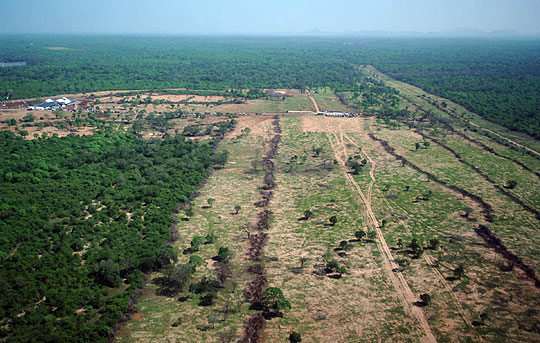
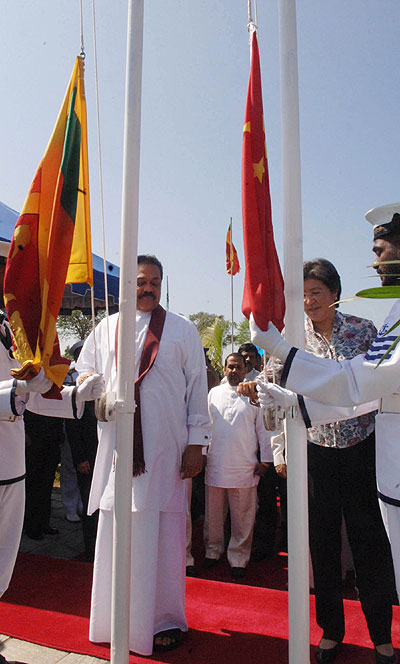
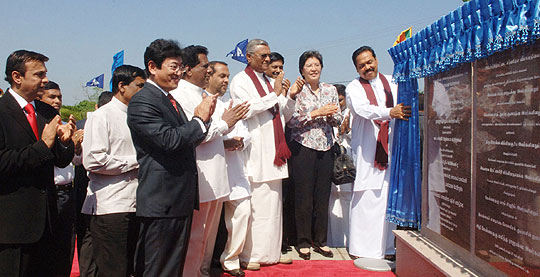
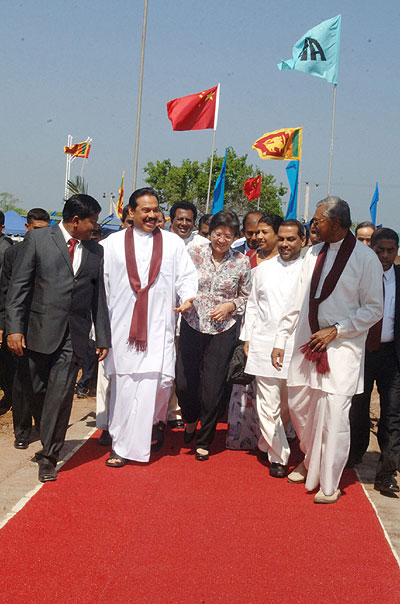
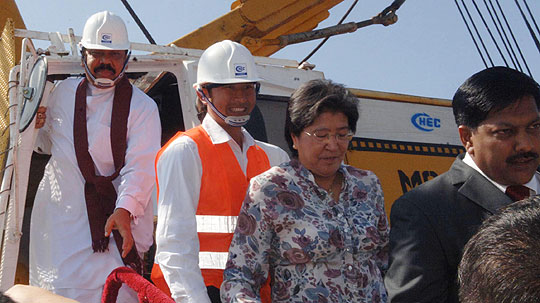
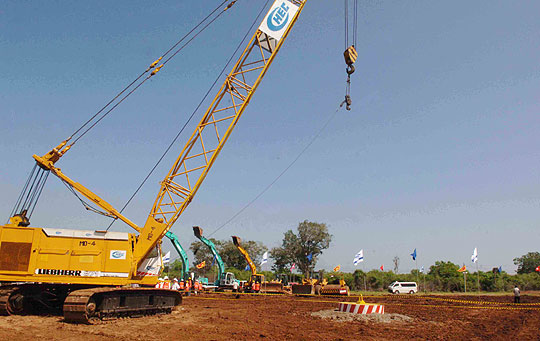
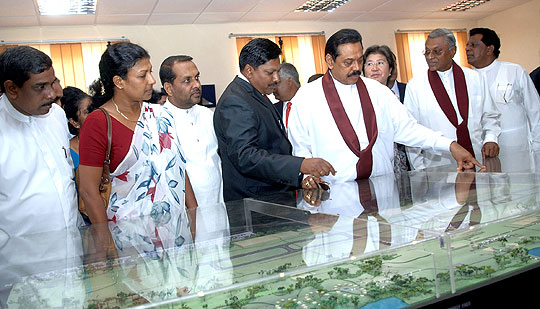
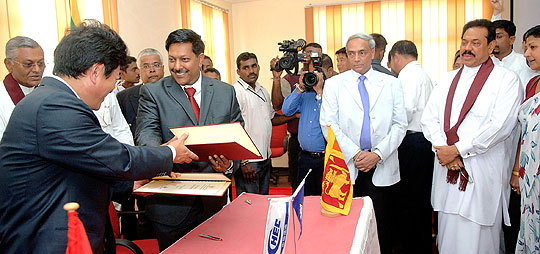
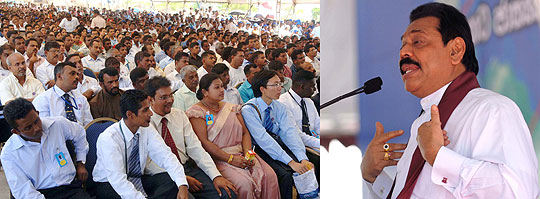
President Mahinda Rajapaksa inaugurated the construction work of second International Airport at Mattala in the deep south of Sri Lanka close to the fast developing coastal town of Hambantota this morning (27th November). Sri Lankan government targets are to land the first aircraft at Hambantota in 2011.
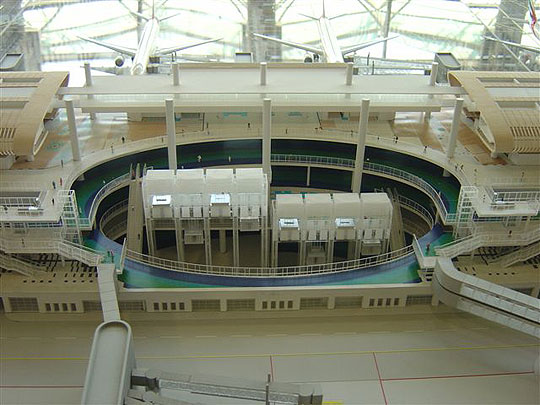
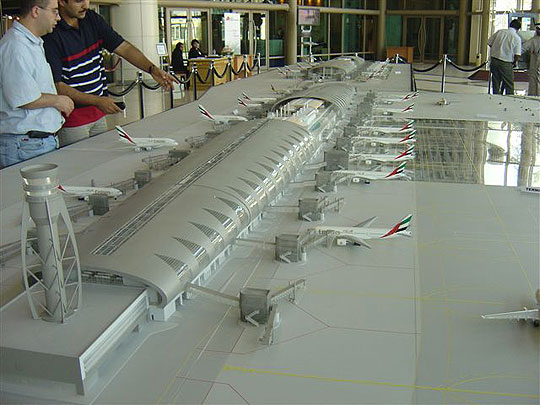
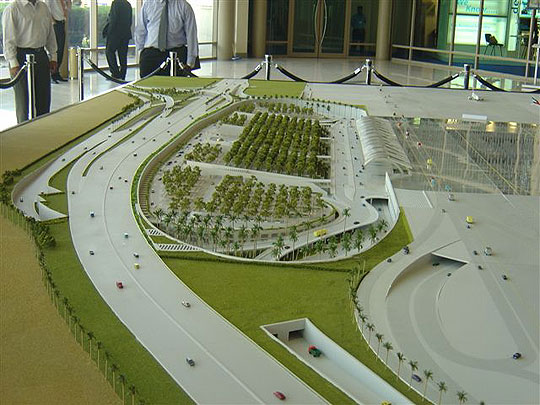
The Chinese government provides financial assistance and the total amount spent on the entire project will be USD 200million (22 billion rupees). The first stage of the new Air Port is scheduled to be opened in 2011 and construction takes place under two stages. In the first stage, the airport would consist of one run way and a taxi way and it would be expanded in the second stage to land A380 bigger air crafts. Environmental approval has been granted to the proposed project on 800 hectares of bare land and it would be constructed under an environmentally friendly green concept and eco friendly with several lakes and green landscape. Sri Lankan engineers would do the designing and implementation of the project. Proposed extension of the rail link from Matara to Kataragama and the completion of the Colombo-Matara Highway in next two years time would boost Southern Province of Sri Lanka. The new airport would serve as a cargo hub to the East in line with the Hambantota harbour which would be opened during the same time period. It also stimulates development and infrastructure of the area and raises the living standards of the people not only in Hambantota but also the surrounding areas like Matara, Moneragala, Ampara and Ratnapura districts. The new International airport would definitely have major positive impact on tourism in the Southern Province. But no agriculture would be affected in the area says the government report. Even though the environmental approval has given to go ahead of the project it is not yet clear whether Yala wildlife sanctuary, Kalametiya and Boondala bird sanctuary would be affected in the long run. Pix by: Chandana Perera & Nalin Hewapathirana
|
|
|
| |